Sign in
 Create Account
 Shop
Shop


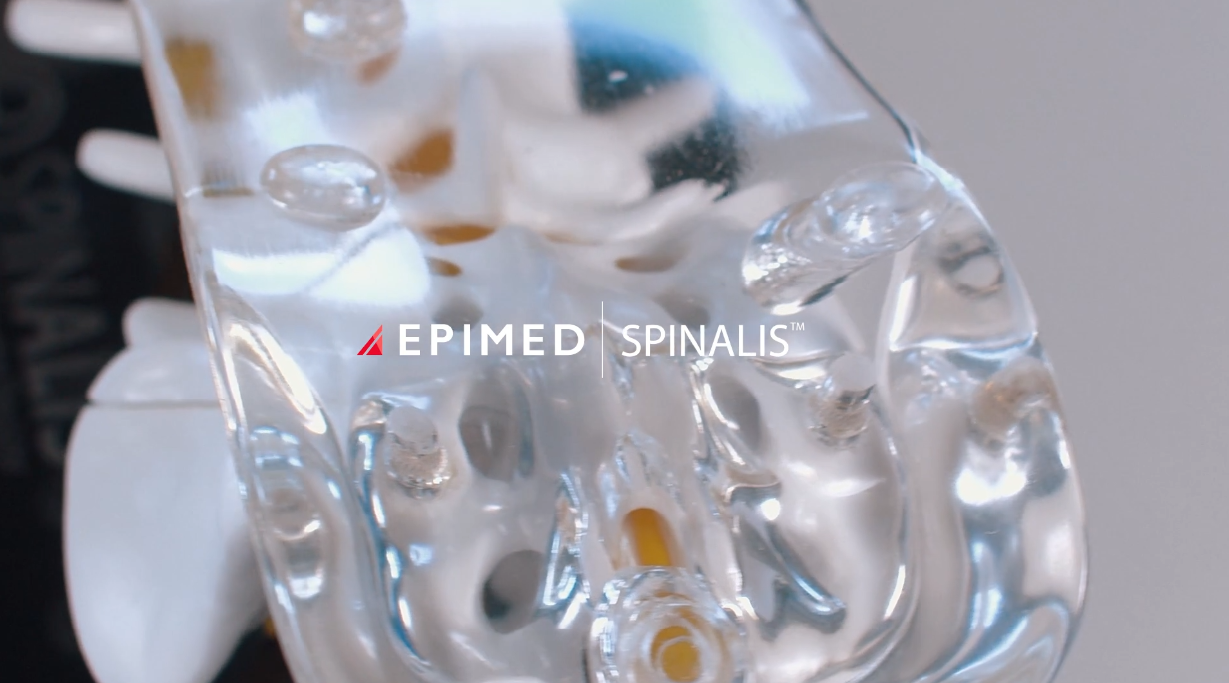
The SPINALIS Epidural Injection Simulator is an invaluable training tool specifically created to help pain physicians enhance their practical skills in lumbosacral interventions involving catheters and needles. With its lifelike simulation, this innovative trainer enables users to access the epidural space in the lumbosacral region using three different approaches: caudal, transforaminal, or S1. The SPINALIS simulator includes three dynamic spinal inserts, ensuring a comprehensive training experience: the Posterior Spine Model, the Clear Tissue Model, and the Skin Tone Tissue Model.
The Posterior Spine Model: Navigating Precision
The Posterior Spine Model plays a vital role in helping users identify the precise locations of various anatomical landmarks. It assists in determining the optimal insertion points for pain needles and trains users to accurately place the devices.
The Clear Tissue Model: Refining Procedural Mastery
The Clear Tissue Spine Model is an excellent tool for practicing injections. It allows users to precisely position needles or catheters in predetermined insertion sites and observe their movement as they advance toward the target site. This realistic simulation enhances the procedural skills required for successful lumbosacral interventions.
The Radiopaque Skin Tone Tissue Model: meet fluoroscopic visualization
The Radiopaque Skin Tone Tissue Model focuses on developing procedural techniques using fluoroscopic visualization. By simulating the soft tissue and bony structures, this model enables users to practice palpating and identifying the optimal entry site. It provides a realistic training experience, similar to working with real patients.
Accelerate your interventional training and improve your proficiency in lumbosacral catheter placement and injection with the SPINALIS Epidural Injection Simulator.
Become more proficient in lumbosacral catheter placement and injection with SPINALIS.
Extending your training
Epimed offers other models to expand your practice:
The Epidural-Spinal Injection Simulator: GENESIS
It is the perfect training simulator for common neuraxis blocks. The ultrasound-compatible model contains anatomical structures that are present in the lumbar region. The realistic loss of resistance and fluid-filled intrathecal space enables users to localize the correct target sites. Learn more about the GENESIS simulator here.
The Thoracic Neuraxial Simulator: THORAXIS
Ideal for common neuraxial blocks in the thoracic spine, the THORAXIS simulator accurately replicates the upper back and abdomen. With its ultrasound compatibility and liquid-filled intrathecal space, it offers a realistic experience for practicing precise needle positioning and epidural catheter placement. Discover more about the THORAXIS simulator.
Educate your patient with models
Understanding plays a crucial role in patient satisfaction and trust. Epimed offers a wide range of patient education products, including Spine Models and Anatomical Charts. These tools allow pain physicians to explain anatomical details and demonstrate how they relate to the patient’s condition, fostering a trusting and informative patient-physician relationship.
In conclusion, the SPINALIS Epidural Injection Simulator is an exceptional 3-step training tool that empowers pain physicians to develop practical skills in lumbosacral interventions. With its realistic simulation and comprehensive features, this simulator accelerates interventional training and enhances procedural proficiency. Explore Epimed’s additional training models and patient education products to further expand your practice and educate your patients effectively.





 United States