Sign in
 Create Account
 Shop
Shop

Epidural Lysis of Adhesions - the Racz® Procedure
A clinical overview for interventional pain physicians
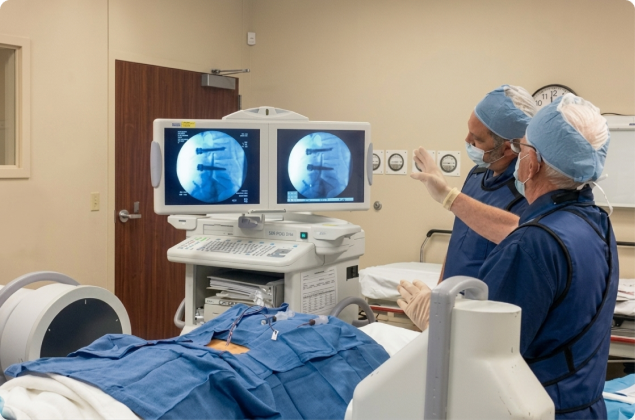
The Racz Procedure
The Racz Procedure, named after Gabor B. Racz, is a catheter-based interventional technique used in selected cases of chronic spinal pain.
Also referred to as epidural lysis of adhesions or percutaneous epidural adhesiolysis, the procedure was developed to address epidural adhesions and scar tissue while enabling targeted delivery within the epidural space.
It is commonly considered for patients with persistent symptoms when conventional epidural approaches may not provide consistent results.

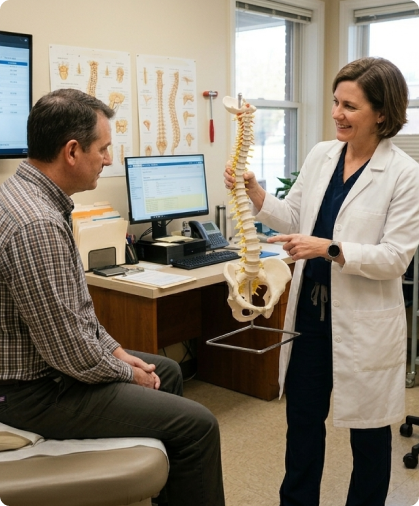
When to consider epidural lysis of adhesions
Clinical situations may include:
- Persistent Spinal Pain Syndrome Type 2 (PSPS-T2)
- Radicular pain unresponsive to epidural steroid injections
- Epidural adhesions
- Chronic spinal pain associated with epidural scarring
- Spinal stenosis
- Disc herniation with radiculopathy
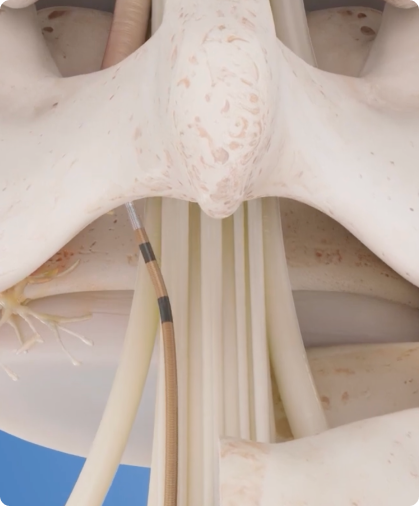
Procedure overview
Epidural lysis of adhesions is performed under fluoroscopic guidance using S1, caudal, thoracic, cervical, transforaminal or interlaminar approaches depending on the target site and clinical presentation.
The cervical approach was developed following the success of the caudal lysis technique, with adaptations in catheter positioning and procedural technique.
Key steps include
- Epidural access
- Catheter advancement toward the target level
- Mechanical adhesiolysis
- Site-specific delivery within the epidural space
- Post-procedure monitoring and follow-up
Clinical evidence
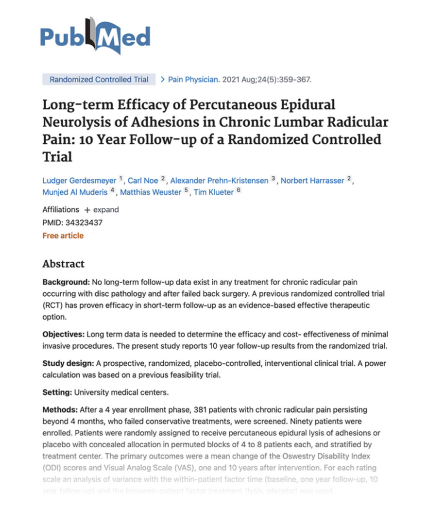
Published evidence supporting epidural lysis of adhesions includes randomized controlled trials, long-term follow-up studies, and systematic reviews in chronic spinal pain management.
A multicenter randomized trial reported 74–90% of treated patients achieved
≥ 50% pain relief at 12 months, while long-term follow-up data from Gerdesmeyer et al. demonstrated sustained improvements in pain and function, with approximately 85% of patients not requiring surgery over a 10-year follow-up period.
Racz Procedure: A Guide to Pain Relief
This procedural video provides a visual overview of catheter navigation, targeted delivery, and key technical considerations.
Specialty:
Interventional Pain Management.
Educational Framework
For Healthcare Professionals Only
Clinical evidence
Discover the key steps of the Racz Procedure in this educational video.
The technique involves:
- Site-specific catheter placement
- Controlled fluid injection intended to help open the perineural space
- Targeted delivery to support the reduction of nerve root irritation and inflammation
The procedure may be performed in the cervical, thoracic, or lumbar regions using caudal, interlaminar, or transforaminal approaches.
Role of technique in outcomes
Procedural execution plays an important role in epidural lysis of adhesions.
Key technical factors include:
- Controlled catheter navigation
- Fluoroscopic visualization
- Access to targeted anatomical regions
- Site-specific delivery of therapeutic agents
Associated procedural tools
Role of technique in outcomes
Procedural execution plays an important role in epidural lysis of adhesions.
Key technical factors include:
- Controlled catheter navigation
- Fluoroscopic visualization
- Access to targeted anatomical regions
- Site-specific delivery of therapeutic agents
Associated procedural tools
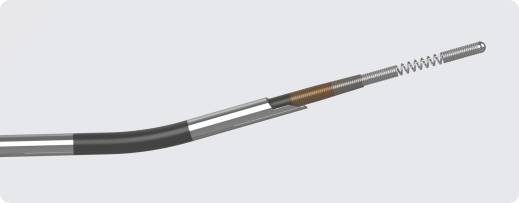
The procedure may involve specialized access needles and steerable epidural catheters designed for targeted navigation within the epidural space.
The Original Racz® System
The Racz® Catheter and RX-2 Coudé® Needle were developed by Dr. Gabor B. Racz as part of the original Epidural Lysis of Adhesions technique.
Designed for epidural access, catheter navigation, and targeted delivery within the epidural space, these devices remain integral components of the Racz Procedure.

Reimbursement considerations
For U.S. physicians, epidural lysis of adhesions has established CPT coding pathways. Coverage and documentation requirements may vary by payer, setting, and clinical context.
Training and physician education
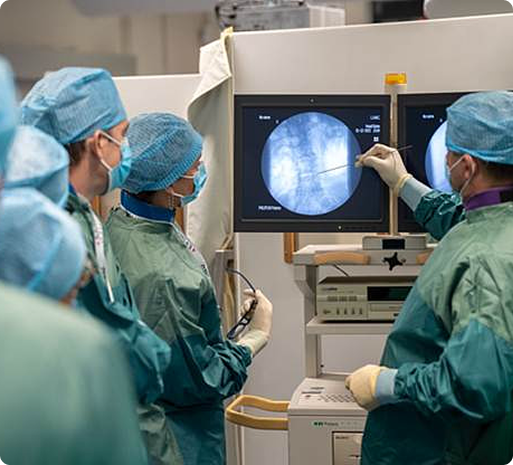
Due to its technical nature, epidural lysis of adhesions is typically learned through structured training.
Educational opportunities are available through Racz EDU and include:
- Caudal, cervical, and transforaminal approaches
- Catheter techniques and procedural guidance
- Hands-on cadaver training workshops
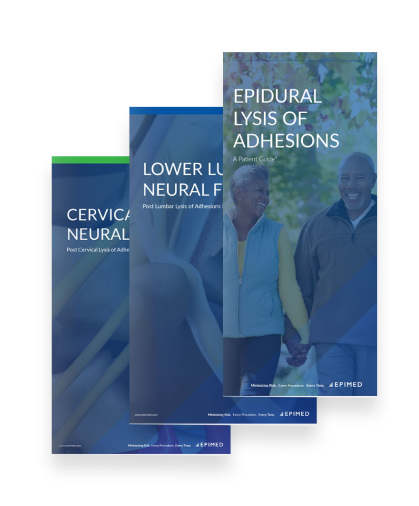
Patient communication resources
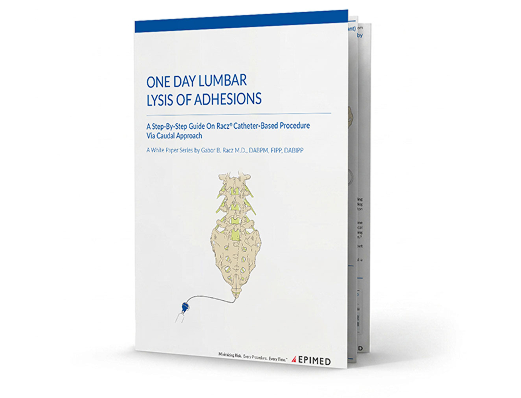
Explaining epidural lysis of adhesions to patients can be complex.
Educational materials are available to support communication and improve patient understanding.
All content is intended for healthcare professionals only and provided for educational purposes. It does not constitute clinical recommendations or treatment protocols.
Procedure FAQ
What is the Racz Procedure?
Epidural Lysis of Adhesions, also known as the Racz Procedure, is a catheter-based epidural technique used to enable targeted delivery of therapeutic agents within the epidural space.
Who developed the Racz Procedure?
The procedure is named after Dr. Gabor B. Racz, a pioneer in interventional pain management.
He contributed to the development of catheter-based epidural techniques focused on improving access and targeted delivery within the epidural space.
Is epidural lysis of adhesions widely used?
It is used by interventional pain physicians in selected clinical situations, particularly when conventional approaches may not provide consistent results.
How is it different from a standard epidural injection?
Unlike conventional injections, catheter-based techniques allow for navigation within the epidural space and more targeted delivery under imaging guidance.
Is the Racz Procedure performed with a specific catheter?
The original Racz Procedure was developed using the Racz® Catheter, a specialized epidural catheter designed by Dr. Gabor B. Racz for catheter-based Epidural Lysis of Adhesions procedures.
More Procedures
The Racz Procedure: Epidural Lysis of Adhesions
Revolutionizing pain management with advanced techniques for chronic spinal pain relief.
Nerve Block Injections for Pain Management
Experience targeted pain relief with advanced nerve block injection techniques.
PRP (Platelet Rich Plasma) Therapy
Harness the power of your body's own platelets with cutting-edge PRP therapy.
Regional Anesthesia: Enhanced with Innovative Solutions
Revolutionizing pain management with advanced techniques for chronic spinal pain relief.
Epidural Procedures for Pain Management
Revolutionizing pain relief with precise epidural steroid injections using Epimed products.
Cryoablation for Pain Management
Harness the power of extreme cold with Epimed's Cryo PainBlocker™ for effective pain relief.



 United States