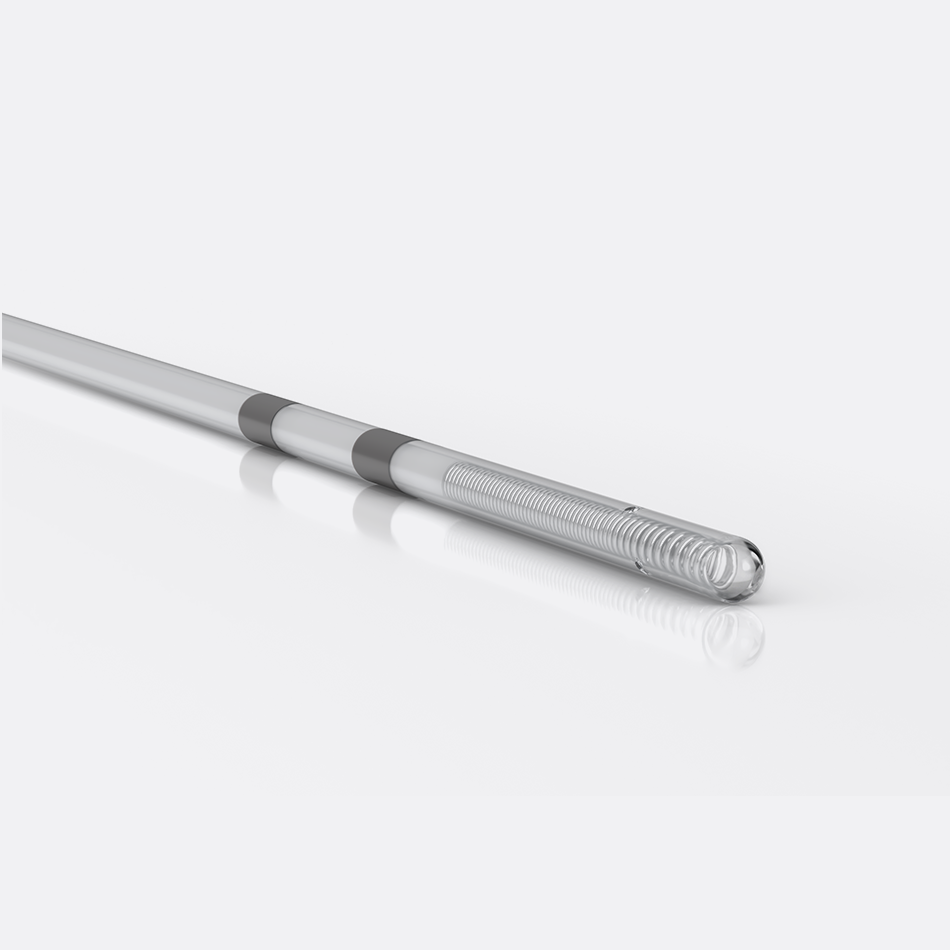
21 Gauge Catheters

21 Gauge Epidural Catheters: Supporting Your Procedural Approach

Different designs to support different procedural needs.

Supporting Procedural Confidence

In epidural procedures, catheter behavior plays a key role in:

Epimed’s 21 Gauge catheter designs are developed to support these core procedural elements, providing consistent and predictable performance.

21 Gauge Catheter Portfolio

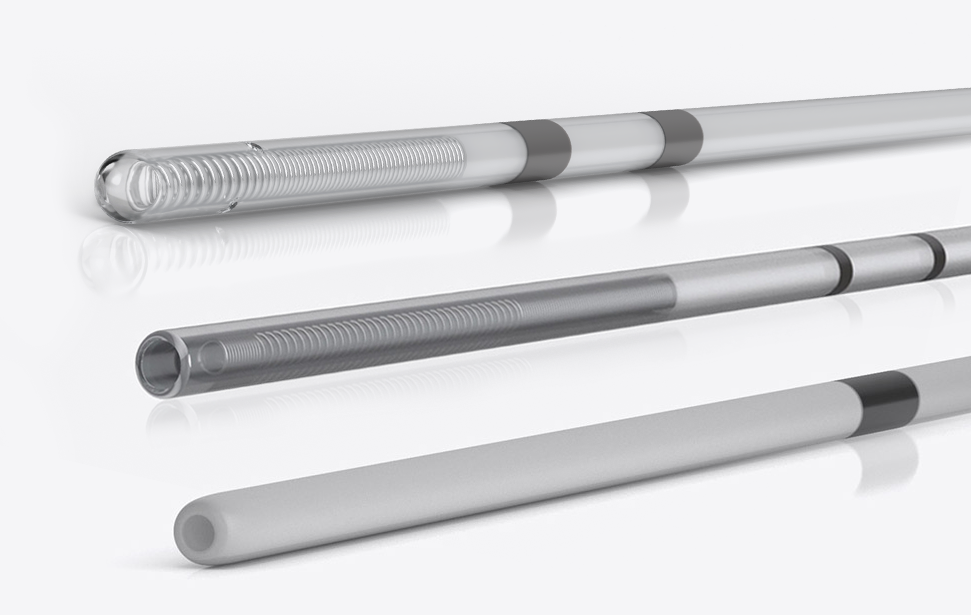
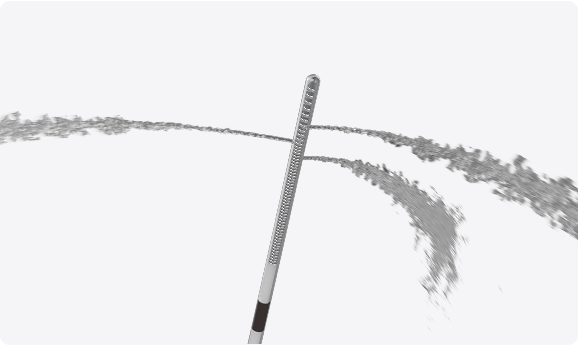
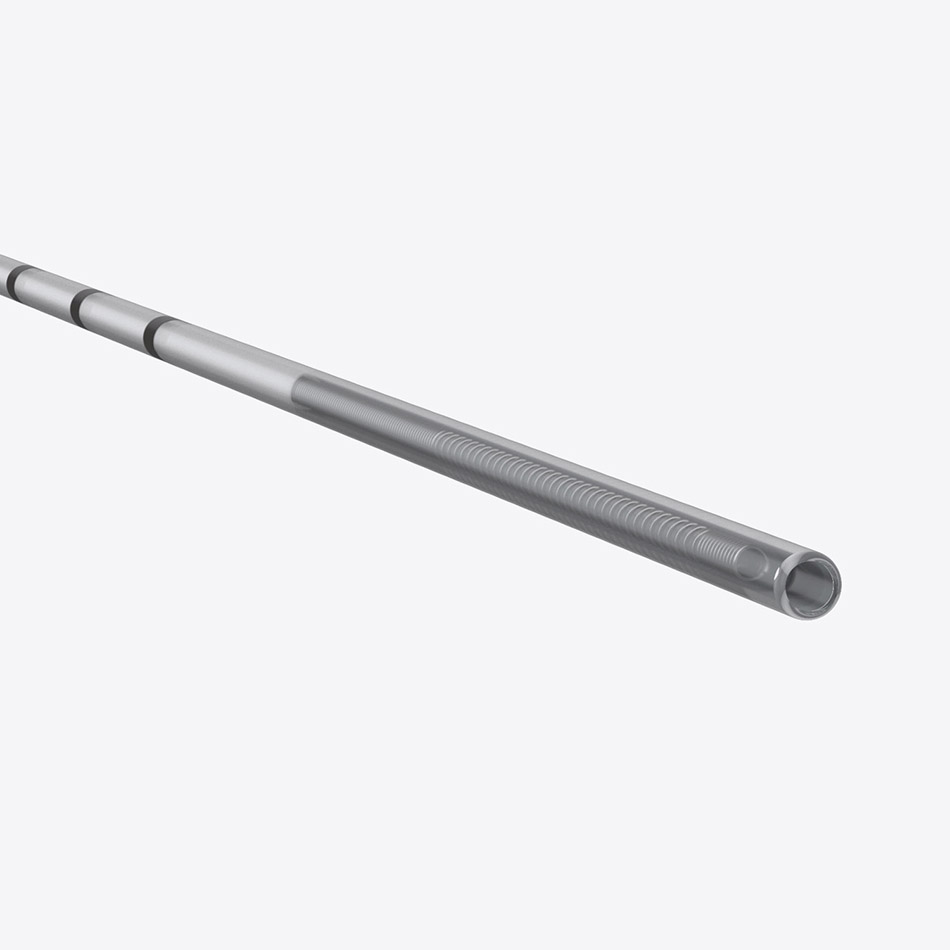
Versa-XLC™

Precision & Visibility

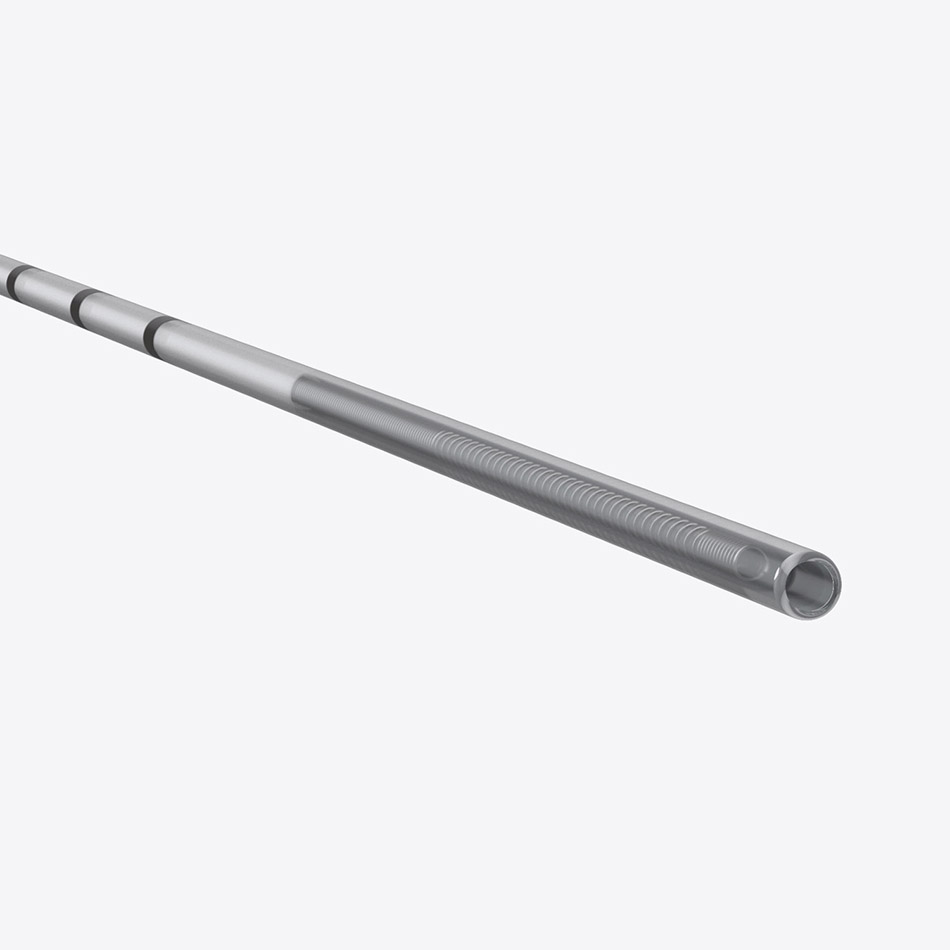
Versa-Kath®

Flexible Navigation

G21 Epidural Catheter™

Flexibility Navigation and site-specific procedures

Overview of Catheter Characteristics

Feature VERSA-XLC VERSA-KATH G21
Directability
High
Moderate
Low
Tip Design
Closed Hemispherical tip
Open
Open
Distribution
Lateral
Direct
Direct
Visibility
Enhanced
Standard
Standard
Lengths
14” (35.6 cm)
12” (30.5 cm) and 24” (61 cm)
14” (35.6 cm)

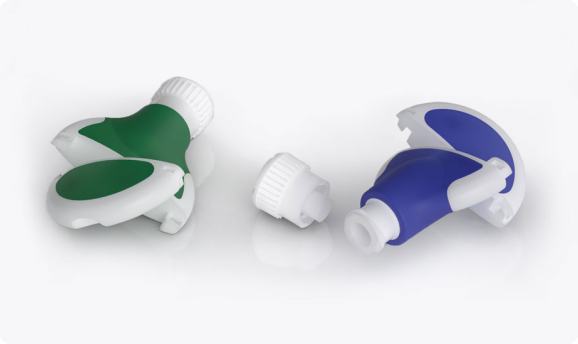
Stingray® Connector

Supporting consistency during catheter manipulation and connection

All 21G catheters are compatible with the Stingray® Connector, designed to support secure and reliable catheter connection.

Twist-and-lock connection

Internal catheter stop for
secure positioning

Low-profile ergonomic
design

Related Products

RX Epidural Needles

Patented RX Epidural Needles are designed for precise placement and positioning of epidural catheters or other devices. 
RX-2 Epidural Needles

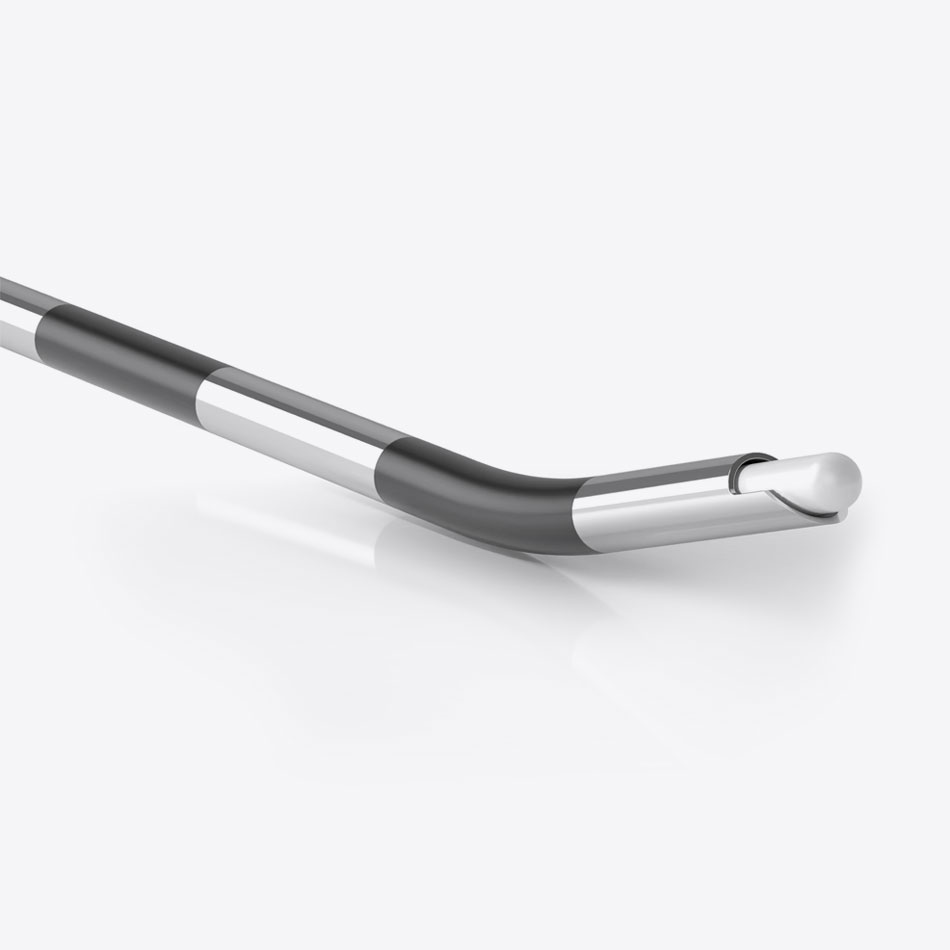
Patented RX-2™ Coudé® Needles are epidural Coudé needles with the same base design as our RX needles,

R.K.™ Epidural Needles

R.K.™ Epidural Needles are catheter introduction and placement needles with a modified Tuohy design, including an opened and dulled bevel to allow smooth catheter passage.
Frequently Asked Questions

A 21G epidural catheter is used for targeted medication delivery in procedures such as epidural steroid injections and transforaminal approaches. It allows controlled navigation within the epidural space.

They differ in flexibility, control, tip design, and fluoroscopic visibility, which influence catheter behavior during navigation and delivery.

Steerable catheters are typically used for site-specific procedures where greater directability is needed.

Greater control is important when navigating complex anatomy or hardware is critical.

Open tips support forward delivery, while closed tips with side ports support lateral distribution within the epidural space.

Visibility under fluoroscopy supports accurate positioning and real-time adjustment during catheter navigation.

Catheter length determines reach and access, depending on the procedural approach and anatomical target.

Scroll to Top