Sign in
 Create Account
 Shop
Shop



Clinical Context in Podiatric Practice
Plantar fascia–related pain is a common source of heel discomfort encountered in podiatric practice. Clinical presentation may include plantar medial heel pain, activity-related symptoms, and localized tenderness along the fascial origin.
Evaluation typically considers mechanical overload, tissue degeneration, and associated structural factors. Differential assessment may also include neural structures in proximity to the plantar fascia.
Initial management may involve offloading strategies, activity modification, orthotic support, and injection-based interventions depending on presentation and practitioner judgment.
Neural Contribution and Interventional Reflection
In selected cases, symptom persistence may reflect not only fascial involvement but also adjacent sensory nerve contribution. The anatomical proximity of medial calcaneal nerve branches and other plantar sensory pathways may influence pain perception.
Consideration may include:
- Overlap between fascial origin and sensory nerve branches
- Variability in tissue thickness and local anatomy
- Coexisting mechanical and neural factors
Within this anatomical framework, modulation of sensory pathways may be contemplated as part of interventional reflection.
The Role of Cryoanalgesia
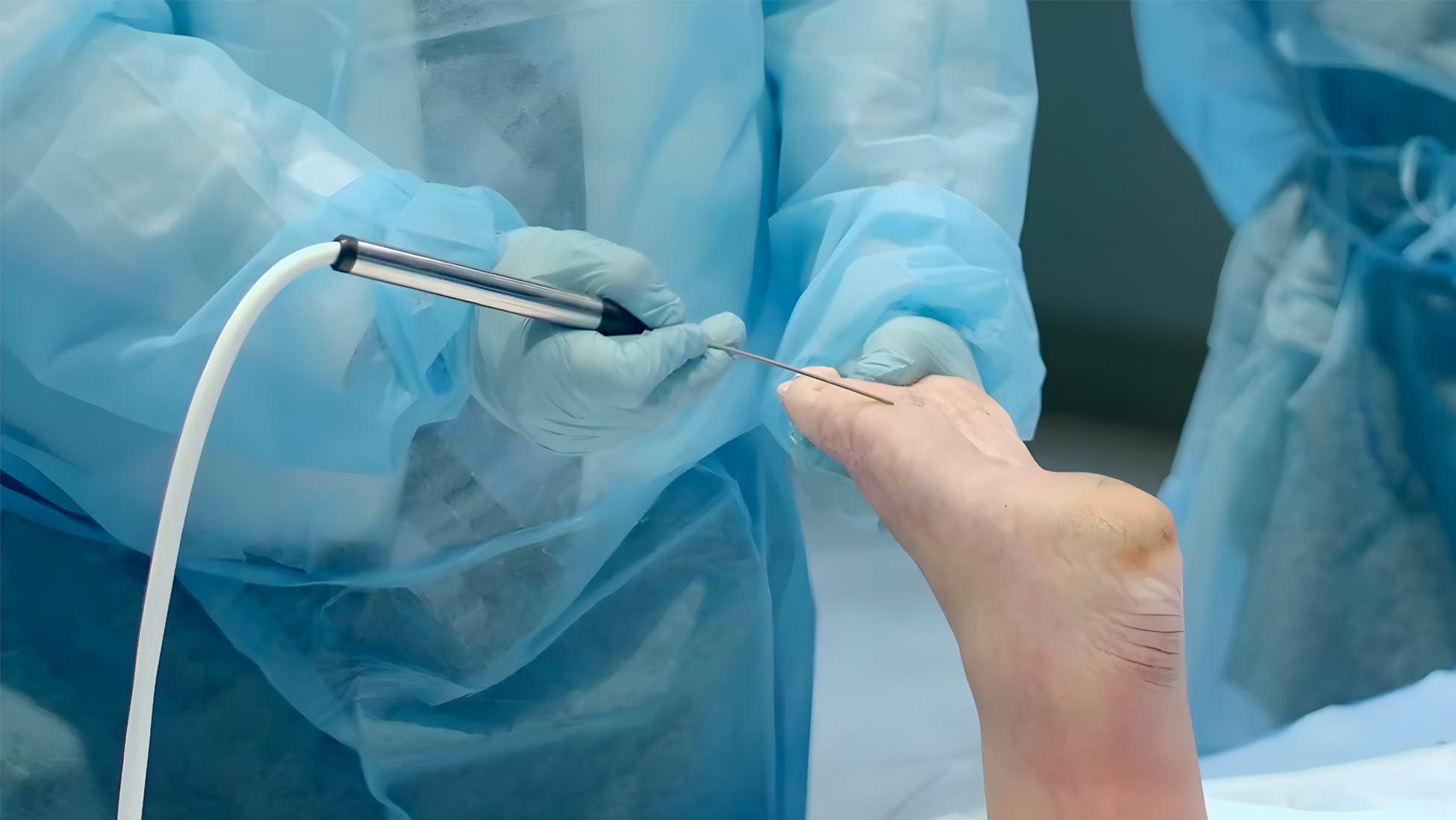
Cryoanalgesia is a percutaneous modality intended to influence sensory nerve conduction in selected contexts. In the setting of plantar fascia–related pain, discussion centers on neural pathway modulation rather than direct alteration of fascial tissue.
Application requires careful anatomical orientation and awareness of surrounding structures. Consideration remains guided by practitioner judgment and individual presentation.
Educational Workshop Excerpt
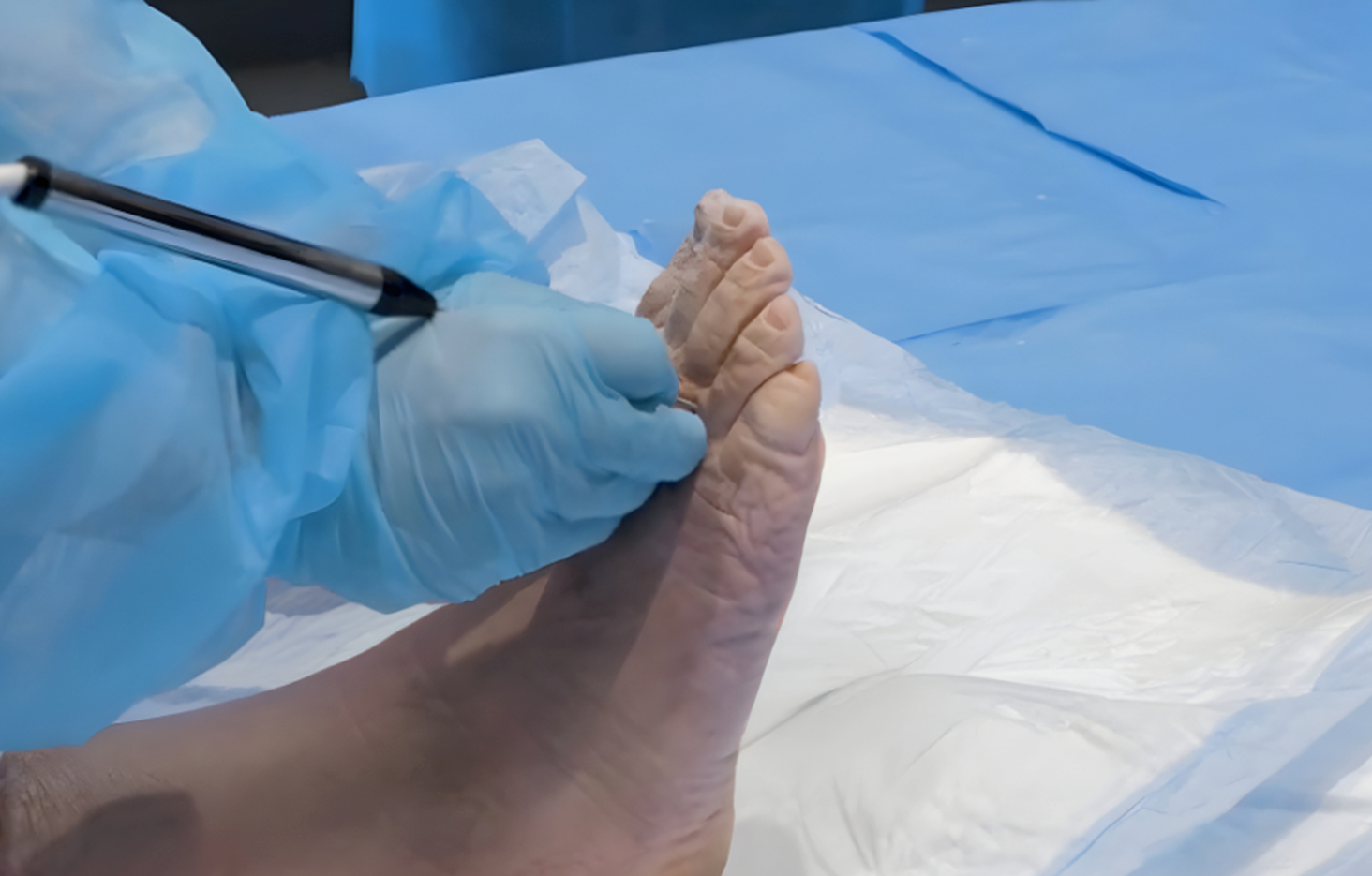
The accompanying video excerpt was recorded during a podiatric educational workshop with Dr. Brian Allen, DPM.
Comprehensive procedural demonstration is accessible exclusively through the structured four-week Professional Educational Series for licensed podiatrists.
Plantar fascia–related pain may, in selected clinical contexts, involve both structural and neural components. Consideration of sensory pathway contribution may inform interventional reflection within podiatric practice.
This article is intended to support educational awareness rather than define indication or outcome.
Professional Educational Series for Podiatrists
A structured four-week, email-delivered educational video series presents cryoanalgesia procedures addressing:
- Plantar fascia–related pain
- Morton’s Neuroma
- Peripheral nerve–related foot pain
- Degenerative ankle pain
Each session provides anatomical orientation and procedural context within office-based podiatric practice.
Request Professional Access
Explore related articles
– Cryoanalgesia for Bursitis
– Interventional management of Morton’s Neuroma
– Cryoanalgesia for Verruca
Professional Disclosure
Procedures referenced were documented during a cadaver-based podiatric educational workshop using the Cryo PainBlocker™ cryoanalgesia system. This material is provided for healthcare professionals and for educational purposes only. It does not constitute clinical recommendations, treatment protocols, or outcome claims.




 United States