Sign in
 Create Account
 Shop
Shop


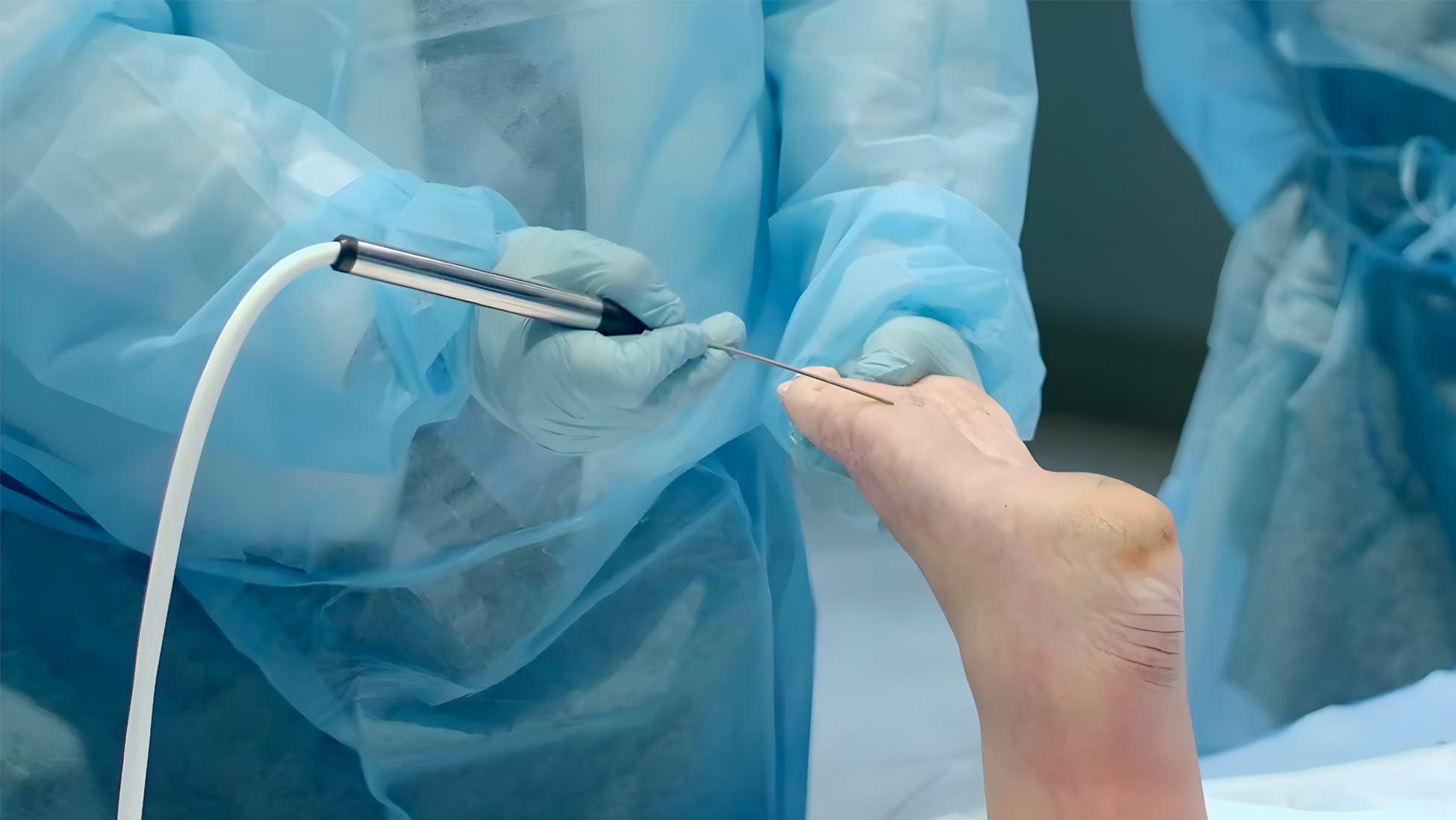
Clinical Context in Podiatric Practice
Bursitis is a recognized source of localized foot and ankle pain encountered in podiatric practice. Clinical presentation may include focal tenderness, pressure-related discomfort, and symptoms that overlap anatomically with adjacent soft tissue or neural structures.
In certain regions of the foot and ankle, bursitis may be evaluated alongside other potential pain generators, including neuroma or superficial nerve irritation. Careful anatomical assessment and differential consideration remain central to clinical evaluation.
Initial management commonly includes offloading strategies, padding, and injection-based interventions, depending on presentation and practitioner judgment. Symptom expression, however, may not always correlate exclusively with inflammatory tissue involvement.
Neural Contribution and Interventional Reflection
Localized pain associated with bursitis may, in selected contexts, involve adjacent sensory nerve pathways. Anatomical proximity between bursae and superficial nerve branches can influence symptom perception.
Clinical reflection may include consideration of:
- Anatomical overlap between inflamed structures and sensory nerves
- Tissue depth and variability in soft tissue coverage
- Scar formation or prior surgical history
The coexistence of multiple pain generators
Within this anatomical framework, modulation of sensory pathways may be contemplated as part of interventional reflection. The concept that painful pathways may be influenced through cryoanalgesia has been described in clinical discussion. Such consideration does not define indication but reflects awareness of neural contribution in localized pain.
Clinical judgment and individual anatomical assessment remain determinative.
Procedural perspective on Cryoanalgesia
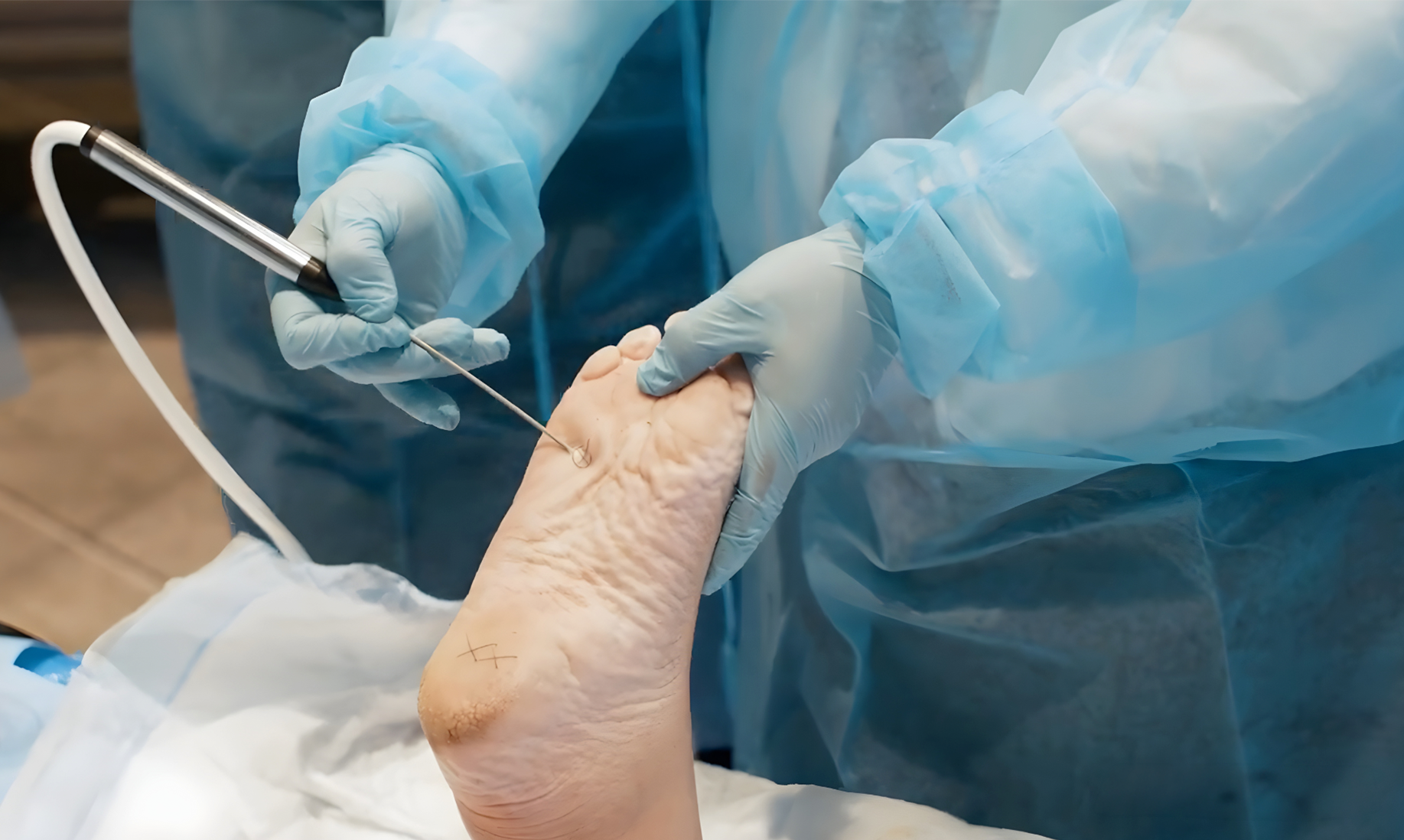
Cryoanalgesia is a percutaneous modality intended to influence sensory nerve conduction in selected contexts. In the setting of bursitis-related pain, its discussion centers on neural modulation rather than direct intervention on the bursal structure itself.
Application requires anatomical orientation, awareness of surrounding structures, and procedural discretion. Consideration of tissue depth, proximity to tendon or nerve branches, and local anatomical variability is essential.
Examples referenced in clinical discussion extend to other localized pain presentations, including ankle osteoarthritis and superficial nerve irritation. These references illustrate a broader anatomical framework rather than condition-specific claims.
Educational Workshop Excerpt: Cryoanalgesia in Foot and Ankle Bursitis
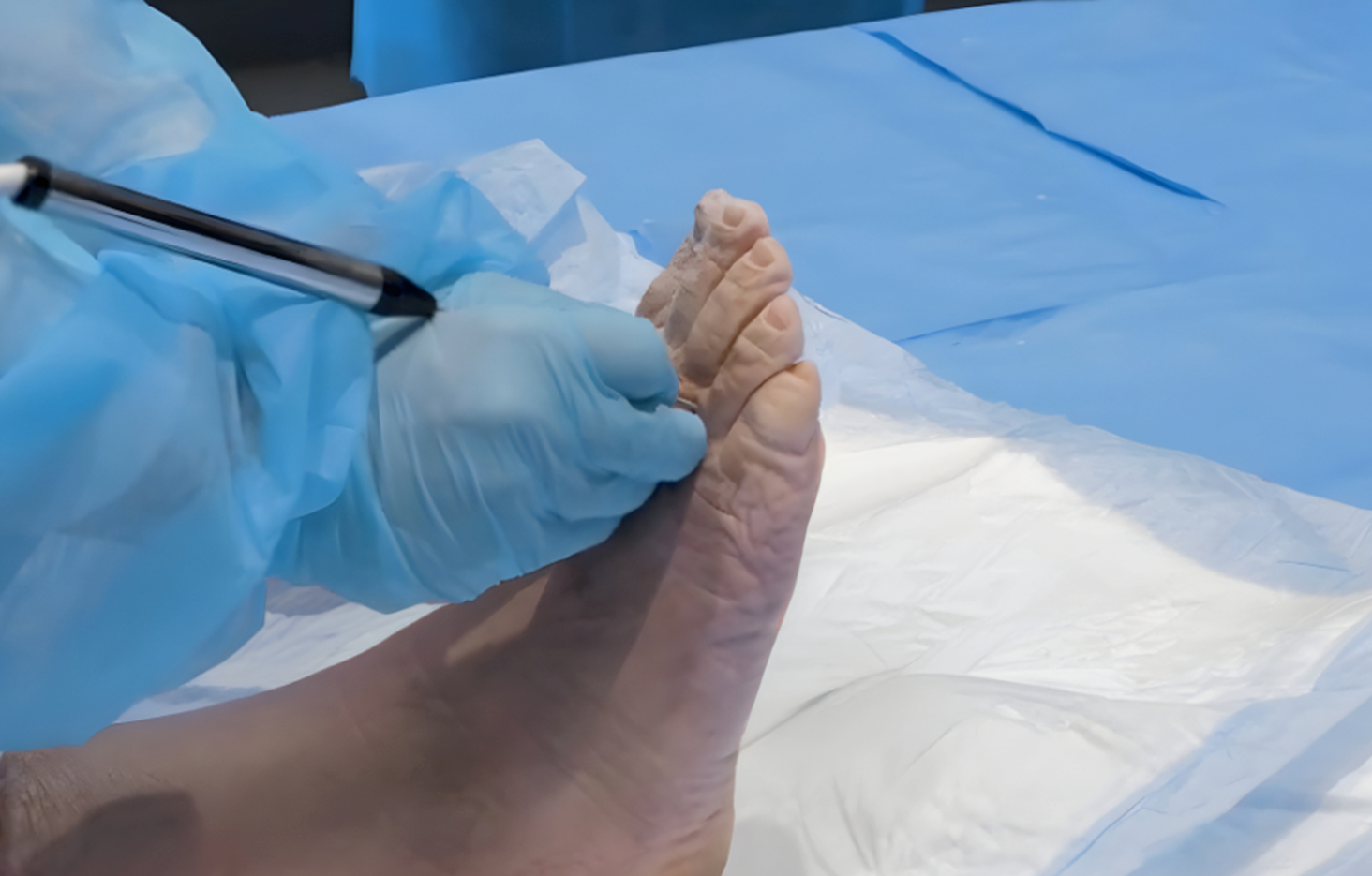
The accompanying video excerpt was recorded during a podiatric educational workshop with Dr. Brian Allen, DPM.
Comprehensive procedural demonstration is accessible exclusively through the structured four-week Professional Educational Series for licensed podiatrists.
Bursitis-related foot and ankle pain may, in selected clinical contexts, reflect both localized inflammatory processes and adjacent sensory pathway involvement. Consideration of neural contribution may inform interventional reflection within podiatric practice.
Cryoanalgesia represents one modality discussed within this anatomical framework. Its relevance depends on clinical assessment, practitioner judgment, and individual patient context.
Professional Educational Series for Podiatrists
A structured four-week, email-delivered educational video series presents four cryoanalgesia procedures addressing:
- Plantar fascia–related pain
- Morton’s Neuroma
- Peripheral nerve–related foot pain
- Degenerative ankle pain
Each session provides anatomical orientation and procedural context within office-based podiatric practice.
The series is intended exclusively for licensed healthcare professionals.
Request Professional Access
Professional Disclosure
Procedures referenced were documented during a podiatric educational workshop using the Cryo PainBlocker™ cryoanalgesia system.
This material is provided for healthcare professionals and for educational purposes only. It does not constitute clinical recommendations, treatment protocols, or outcome claims.
Explore related articles
– Cryoanalgesia in Plantar fascia-related pain
– Interventional management of Morton’s Neuroma
– Cryoanalgesia for Verruca



 United States